


.jpg)
Metal Bellows Expansion Joints Explained Simply
- Flexpert Bellows
- Aug 5
- 4 min read

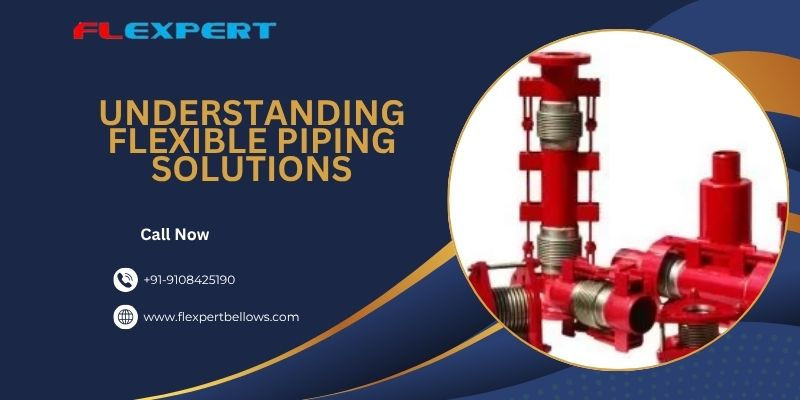
Have you ever wondered how industrial pipelines survive constant heat, vibration, and pressure without cracking? The answer often lies in a simple yet highly effective engineering component. Although it may not attract much attention, a metal bellows expansion joint quietly protects piping systems every day, helping industries avoid expensive breakdowns and unplanned maintenance.
One of the easiest ways to improve pipeline reliability is by using Metal Bellows Expansion Joints. These flexible connectors are designed to absorb movement caused by thermal expansion, vibration, pressure fluctuations, and slight equipment misalignment. Whether installed in power plants, chemical processing units, HVAC systems, or manufacturing facilities, they help keep operations running smoothly while extending the life of connected equipment.
What Are Metal Bellows Expansion Joints?
A metal bellows expansion joint is a specially engineered flexible connector made from thin-walled corrugated metal. While the material appears delicate, its design allows it to flex repeatedly under demanding operating conditions without compromising strength.
Think of it as a shock absorber for pipelines. As temperatures rise, pipes naturally expand. When they cool, they contract. Without a flexible element to accommodate this movement, stress builds within the piping network, eventually leading to cracks, leaks, or equipment damage.
Common materials include stainless steel, Inconel, and other corrosion-resistant alloys selected according to operating pressure, temperature, and the transported medium.
Why Are They So Important?
Industrial facilities rarely operate under perfectly stable conditions. Pumps vibrate, steam lines expand, and rotating machinery creates constant movement. Expansion joints absorb these forces before they affect critical equipment.
Key Benefits
Reduces thermal stress by accommodating pipe expansion and contraction.
Minimizes vibration generated by pumps, compressors, and turbines.
Protects expensive equipment such as valves, boilers, and heat exchangers.
Improves system reliability while lowering maintenance requirements.
Supports longer service life for industrial piping systems.
According to guidance published by the American Society of Mechanical Engineers (ASME), managing thermal expansion is an essential consideration in safe piping system design. Likewise, the Occupational Safety and Health Administration (OSHA) emphasizes proper equipment maintenance to reduce workplace hazards associated with mechanical failures.
Where Are Metal Bellows Expansion Joints Used?
These components are remarkably versatile and appear across numerous industries because nearly every piping system experiences movement.
Power generation facilities
Petrochemical plants
Oil and gas processing
Food and beverage manufacturing
HVAC installations
Marine engineering
Water treatment plants
Pharmaceutical production facilities
In each of these applications, thermal expansion compensation and vibration isolation play a major role in maintaining operational efficiency.
How to Choose the Right Expansion Joint?
Selecting the right expansion joint involves more than matching pipe size. Engineers evaluate several operating conditions before making a recommendation.
If you're working with an experienced Metal Expansion Joints Manufacturer, they will usually review system pressure, operating temperature, movement requirements, media compatibility, and installation constraints before suggesting the most suitable design.
Factors Experts Consider
Operating pressure and temperature
Axial, lateral, and angular movement
Flow media and corrosion resistance
Installation space limitations
Expected service life and maintenance schedule
Choosing the correct design from the beginning often prevents costly modifications later.
Common Mistakes That Shorten Service Life
Even premium-quality expansion joints can fail prematurely if installed incorrectly or operated outside their design limits.
Some frequent issues include excessive movement, improper anchoring, pressure beyond design specifications, corrosion, and accidental twisting during installation. Learning about 3 Common Causes Leading to Metallic Bellow Joint Failure can help maintenance teams recognize warning signs before they become serious operational problems.
Routine inspections, proper alignment, and following manufacturer recommendations significantly improve long-term performance.
Why Preventive Maintenance Matters?
Expansion joints are often overlooked because they perform quietly in the background. However, periodic visual inspections can reveal early signs of fatigue, corrosion, deformation, or leakage before they develop into expensive shutdowns.
A proactive maintenance approach usually costs far less than emergency repairs. Many facility managers include expansion joints in scheduled equipment inspections alongside valves, pumps, and pressure vessels to maximize plant reliability.
Frequently Asked Questions
1. What is the primary purpose of a metal bellows expansion joint?
Its main purpose is to absorb thermal expansion, vibration, pressure changes, and minor pipe misalignment while protecting the surrounding piping system.
2. Which industries commonly use metal bellows expansion joints?
Power generation, oil and gas, chemical processing, HVAC, marine, pharmaceutical, food processing, and water treatment industries frequently rely on these components.
3. How long do metal bellows expansion joints last?
Service life depends on operating conditions, material selection, installation quality, and maintenance practices. Properly selected units can provide many years of reliable performance.
4. How can expansion joint failure be prevented?
Correct installation, regular inspections, proper pipe anchoring, and operating within the specified pressure and temperature limits greatly reduce failure risks.
Final Thoughts
Although they may seem like a small part of an industrial piping system, metal bellows expansion joints perform an essential role in protecting equipment, reducing downtime, and improving operational safety. Selecting the right design and maintaining it properly can make a noticeable difference in both performance and long-term operating costs.
Full Audio Version: Click Here


Comments